At the beginning of the school year, I began to read aloud to each of my classes the novel Unwind by Neal Schusterman, published in 2008. The story begins with the “Bill of Life” which briefly allows the reader to understand that the story takes place after the Second Civil War in the United State, a war fought between the Pro-Life and Pro-Choice armies. The “Bill of Life” states a human life may not be terminated from conception until age thirteen, however, between the ages of 13-18 parents/guardians (and sometimes the state) may choose to retroactively “abort” the person for various reasons. New technology is available which allows those who are unwound to not “truly” die, as their lives do not “technically” end.
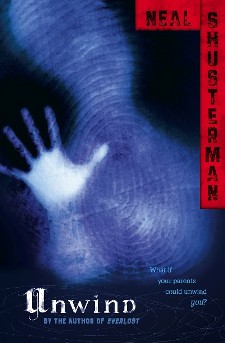
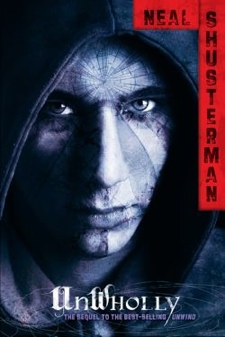
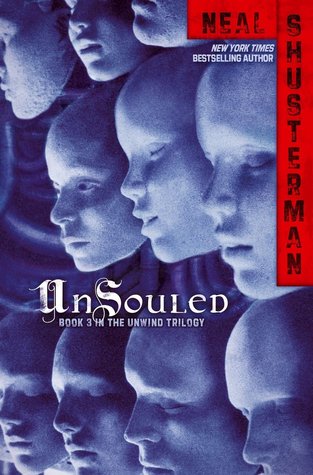
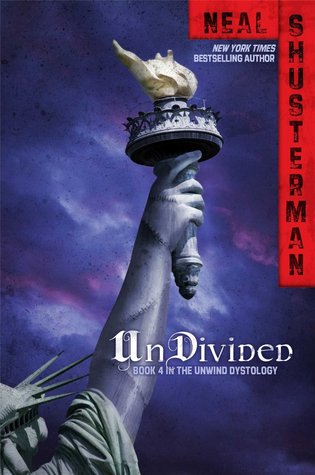
It’s a well-written, fast paced bit of young adult literature that examines several themes spurring from the original premise of unwinding. There are wards of the state, children raised as tithes to their respective churches, kids being unwound in response to their behavior, black market organ harvesting, people who receive other’s organs and gain abilities they never had, to name a few. I’ve enjoyed the series and am currently reading the 4th and final book. One thing that amazes me, is that Schusterman reveals at various points in the books, often between one section and another, information which seems to be from his own research, including URL’s or search terms used to find the information. In short, contemporaneous statistics on the price of organs on the world’s black market in 2007, finding of Paul Pearsall’s work with heart transplant patients who allegedly have memories of their heart donor’s lives, or the 2014 news story of the first person in the UK to have a double hand transplant.
Each set of search engine results, book quotes, or news articles is not meant to legitimize the information found therein: I’m still sifting around on a website about Pearsall’s research (which likely could be debunked, but I’ve no proof of that either). As a teacher, I find Schusterman provides these little springboards into researching how much of these technologies already exist and excellent way to have readers explore the moral and ethical dilemmas of the book within the world around us, instead of just in the future world that is the setting of the books.
 M. Kathryn Shields, Ph.D.